
Energy Savings · Louisiana Commercial Window Film
Louisiana Buildings Are Losing Thousands of Dollars a Year Through Unprotected Glass.
The Gulf South climate pushes commercial HVAC systems to their limit for more than 200 days a year, quietly inflating utility bills and shortening equipment life. Commercial window film stops that loss at the glass — and pays itself back in 3 to 7 years through documented, measurable energy savings.
Serving Baton Rouge · New Orleans · Lafayette · All of Louisiana
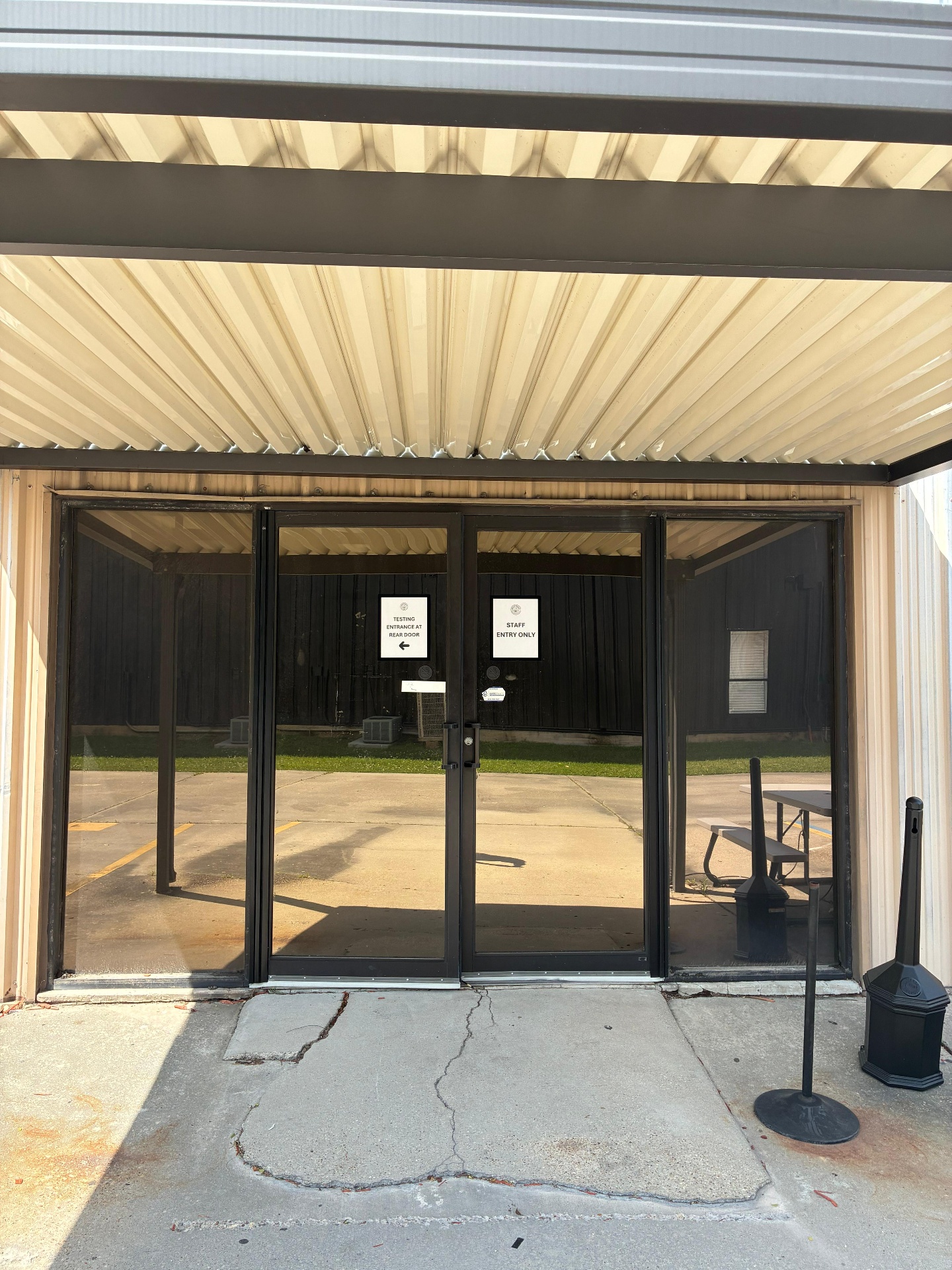
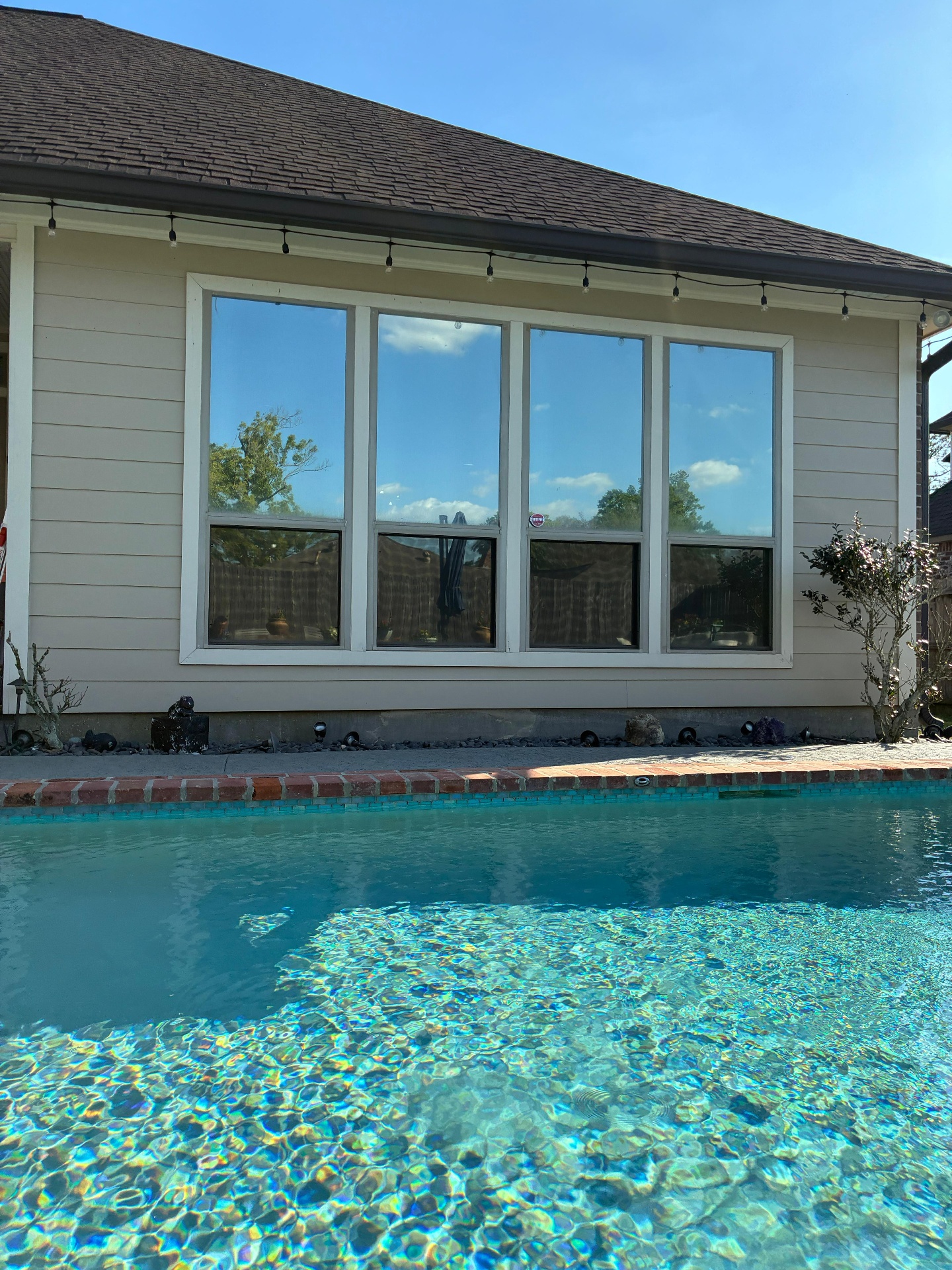
Louisiana's Gulf South Climate Is Uniquely Damaging to Commercial Building Energy Costs.
Louisiana averages more than 200 days of significant solar exposure each year. That sustained, high-angle radiant heat doesn't stop at the glass — it pushes directly into the conditioned space, forcing commercial HVAC systems to run 20 to 40% harder than their design load. The result is higher monthly utility bills, accelerated compressor wear, and uneven interior comfort that no thermostat setting can correct.
The damage doesn't end at the energy meter. Uncontrolled UV and solar heat fade flooring, bleach merchandise, warp wood and millwork, and shorten the life of every interior finish in the building. For Louisiana property owners, this is a recurring, compounding cost — paid every month, on every south- and west-facing facade.
Window Film Stops Solar Heat at the Glass — Before It Ever Enters the Building.
Solar control window film is a precision-engineered, multi-layer polyester film bonded to the interior surface of existing glass. Its metallized and ceramic layers reflect a measured portion of solar radiation back outside while absorbing and dissipating another portion before it can radiate into the conditioned space. The result, measured at the glass, is a rejection of up to 80% of total solar energy and up to 99% of ultraviolet radiation.
That single intervention changes the entire energy equation for a building. Heat that never enters the space is heat the HVAC system never has to remove. Oversizing chillers, replacing rooftop units, or re-glazing an entire facade are expensive, disruptive, capital-heavy projects. A professionally installed film retrofit costs a fraction of any of those alternatives, requires no construction downtime, and begins reducing the utility bill the day it is installed.
Every BTU of solar heat stopped at the glass is a BTU your HVAC system never has to pay to remove again.
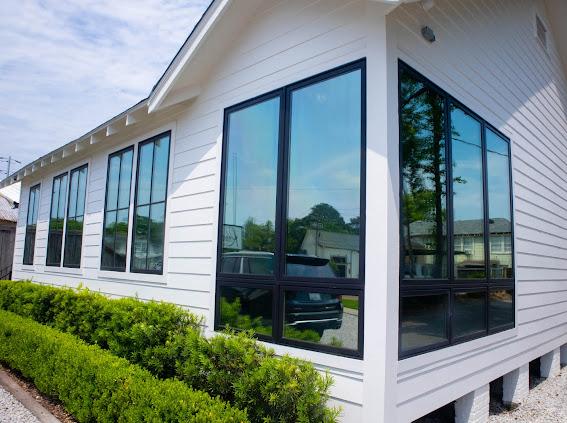
Energy Savings & Building Performance
The measurable, independently verified performance metrics behind every commercial window film retrofit — the same data ownership, finance, and facility teams use to justify the project.
Windows are responsible for up to 28% of the cooling load in commercial buildings.
Commercial window film can reject up to 80% of total solar heat at the glass.
High-performance films block 95–99.9% of ultraviolet radiation — the #1 cause of interior fading.
IR makes up ~50% of the heat humans feel through glass; some films reject up to 97% of infrared energy.
Total Solar Energy Rejected (TSER) is the industry standard — a 70% TSER film blocks 70% of total solar energy.
Solar film can drop interior temperatures by 5–10°F in direct-sun areas, eliminating hot spots.
Glare reduction improves screen visibility, eye comfort, and office productivity.
Commercial tint can reduce HVAC energy usage by 10–30% across the building envelope.
Window film can save up to 19 kWh per square foot annually on single-pane glass.
Modern 'cool window' tech: 70%+ visible light transmission, 80%+ near-IR rejection, 60%+ UV reflection.
Security films help hold shattered glass together during impact, storms, or break-in attempts.
Ceramic films are non-metallic and signal-safe, reducing energy transmission by up to 80%.
Heat, Comfort & Fade Protection
- UV is the #1 cause of interior fading — film drastically slows fading of flooring, furniture, vinyl, and displays.
- Solar gain through untreated glass is one of the biggest causes of uneven room temperatures and hot spots in buildings.
- Spectrally selective films reject heat while still allowing high natural light transmission — no dark, cave-like interiors.
The Most Cost-Effective Retrofit Available
- Window film is considered one of the most cost-effective building retrofit energy upgrades available today.
- No construction downtime, no facade replacement, no chiller oversizing — savings begin the day it is installed.
- Documented ROI payback in 3–7 years, with a 15–25 year film lifespan that continues delivering savings long after payback.
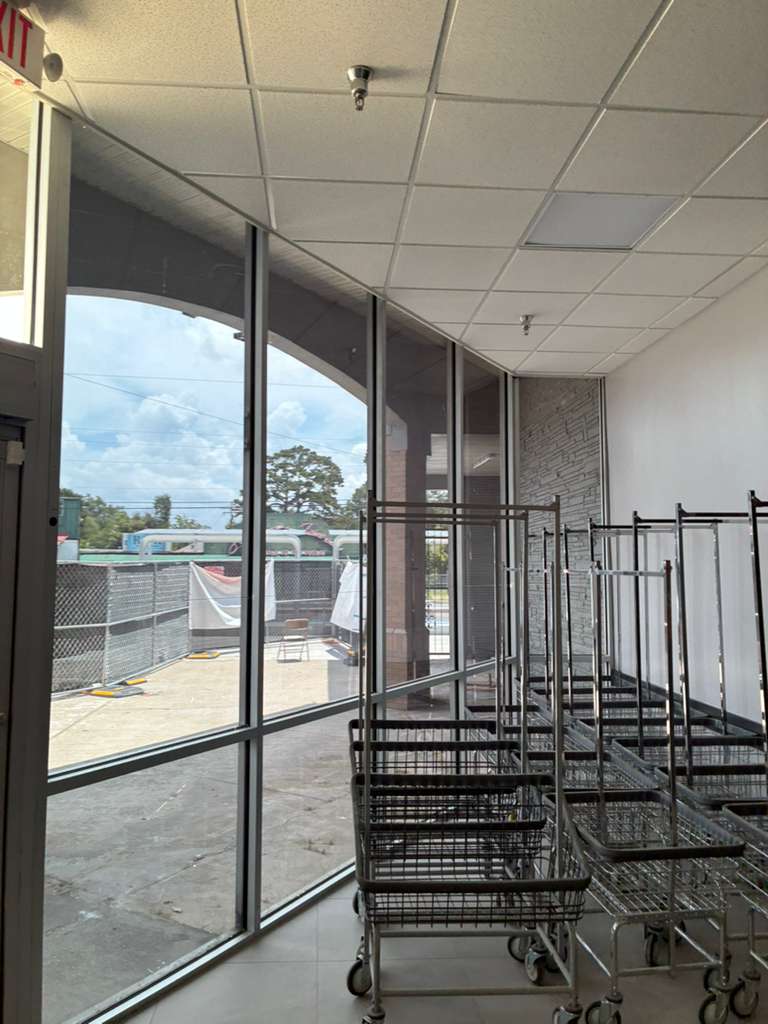
The Payback Is Real, Documented, and Continues for Decades After the Investment Is Returned.
For most Louisiana commercial buildings, a professional solar film installation pays for itself in 3 to 7 years through reduced cooling load alone. That payback is not theoretical — it is calculable in advance from the building's glass area, orientation, solar exposure, and current utility rate, and it is measurable after install through utility bill comparison.
Architectural film carries a 15 to 25 year functional lifespan. Once the initial investment is returned, the remaining decade or more of energy savings flows straight to net operating income. Compared to a full HVAC replacement or a window retrofit — both of which routinely cost five to ten times more and require significant operational disruption — film is the highest-leverage, lowest-risk envelope upgrade available to a commercial property owner.

What the Numbers Look Like for a Real Louisiana Commercial Building.
- Location
- Baton Rouge, LA
- Footprint
- 20,000 sq ft
- Stories
- Two
- Exposure
- South + West
- Glass
- Extensive
After the initial investment is recovered, the building continues to capture five-figure annual savings every year for the remainder of the film's service life — a multi-decade contribution to net operating income from a single envelope upgrade.
Results vary by building size, glass orientation, existing glazing, and film product selected. LCRT provides a custom performance and ROI projection for every Louisiana project.
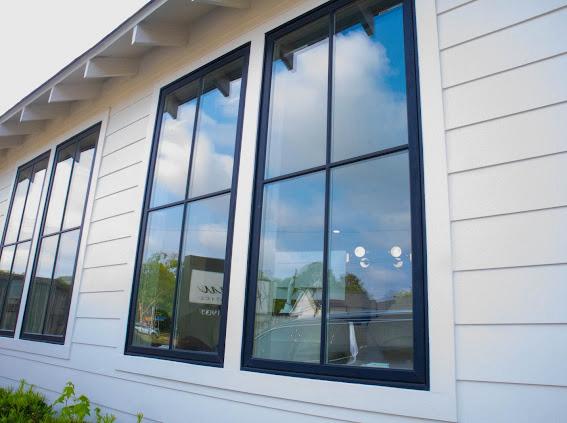
Window Film Extends HVAC Equipment Life and Lowers Long-Term Maintenance Cost.
Direct energy savings are only the first layer of return. When a commercial HVAC system stops fighting an oversized solar load, it begins running the way it was engineered to run — shorter cycles, lower peak demand, less mechanical and thermal stress on compressors, coils, and refrigerant circuits.
Over a 15 to 25 year film lifespan, that reduced workload translates into measurable, recurring savings on maintenance contracts, service calls, refrigerant top-offs, and — most significantly — deferred capital replacement of major mechanical equipment. For facility managers and property owners, this is a second, independent revenue stream layered on top of the utility bill reduction.
With solar heat gain cut at the glass, compressors cycle less frequently and run shorter durations — directly lowering kWh consumption and operating hours on every unit.
Lower thermal stress means fewer overheated compressors, fewer refrigerant losses, and a meaningful reduction in emergency service tickets across the cooling season.
An HVAC system running closer to its design load — instead of constantly above it — routinely delivers years of additional service life before major capital replacement is required.
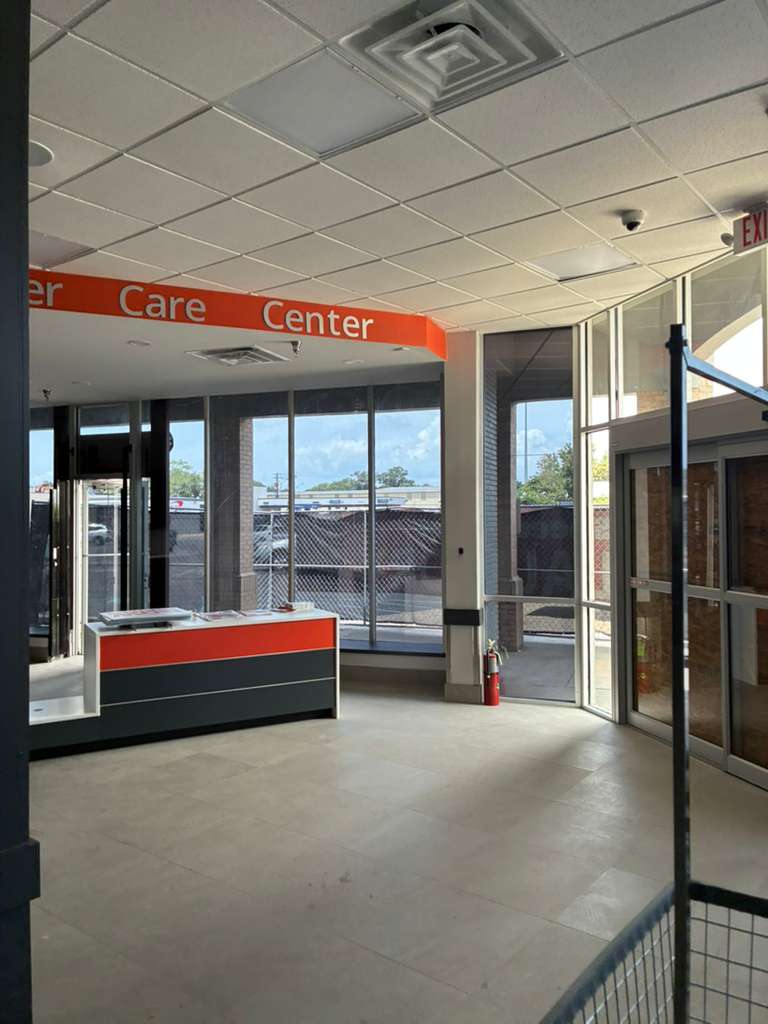
LCRT Installs the Industry's Highest-Performance Solar Control Films from the World's Leading Manufacturers.
Solar Control Film
Engineered for maximum heat rejection on south- and west-facing commercial facades. Rejects up to 80% of solar energy and blocks 99% of UV — the workhorse product for buildings where cooling cost reduction is the primary objective.
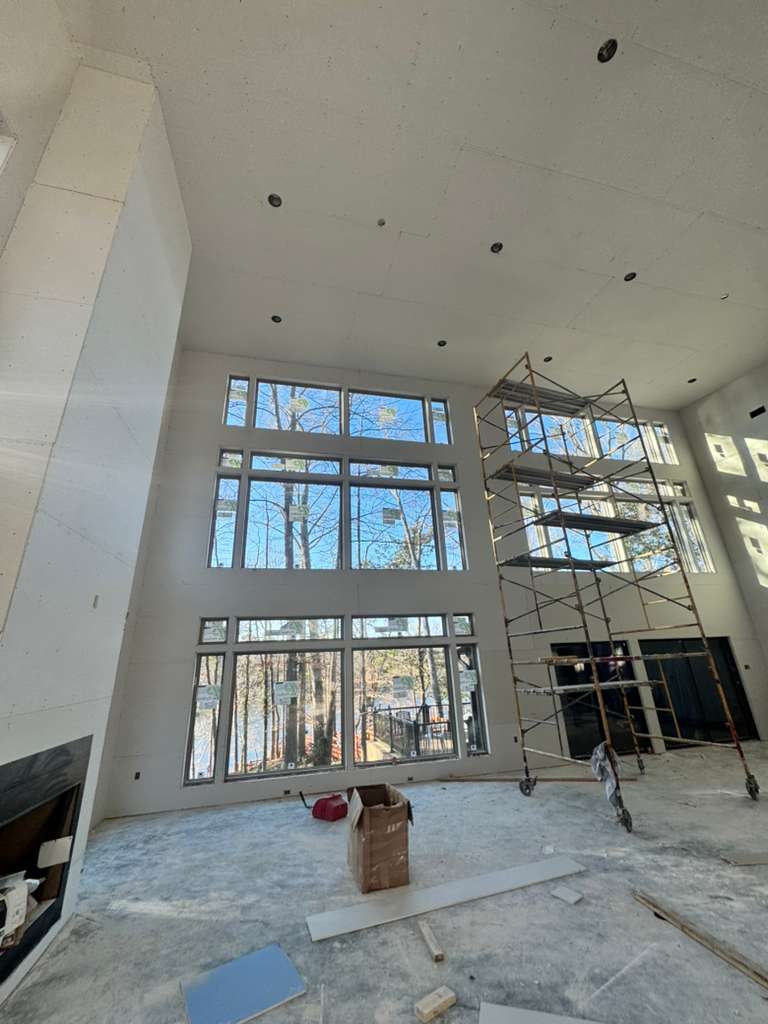
Spectrally Selective Film
Advanced multi-layer construction that rejects infrared heat while transmitting visible light. Delivers documented energy savings without darkening the glass — ideal for retail, office, and showcase environments where natural daylight and clear views must be preserved.
Ceramic Film
Premium nano-ceramic technology delivering top-tier heat rejection with zero metal content. No interference with cellular, Wi-Fi, or GPS signal — the right choice for class-A office, healthcare, and connected commercial environments.
How Much Can Window Film Save Your Building?
Sample projections based on Louisiana climate data, average Entergy commercial rates ($0.11–$0.13/kWh), and documented post-installation performance from 3M™ and Solar Gard® field studies. Actual results scale with glass area, orientation, and existing glazing.
- Annual Cooling Savings
- $4.5K – $7K
- Payback Period
- 3 – 4 yrs
- Cooling Load Reduction
- 22 – 28%
- Annual Cooling Savings
- $18K – $26K
- Payback Period
- 4 – 6 yrs
- Cooling Load Reduction
- 25 – 30%
- Annual Cooling Savings
- $55K – $90K
- Payback Period
- 5 – 7 yrs
- Cooling Load Reduction
- 28 – 33%
Get a precise projection for your specific property.
LCRT will model your building's glass area, orientation, existing glazing, and current utility rates to deliver a property-specific ROI and recommended 3M™ or Solar Gard® film spec — at no cost.
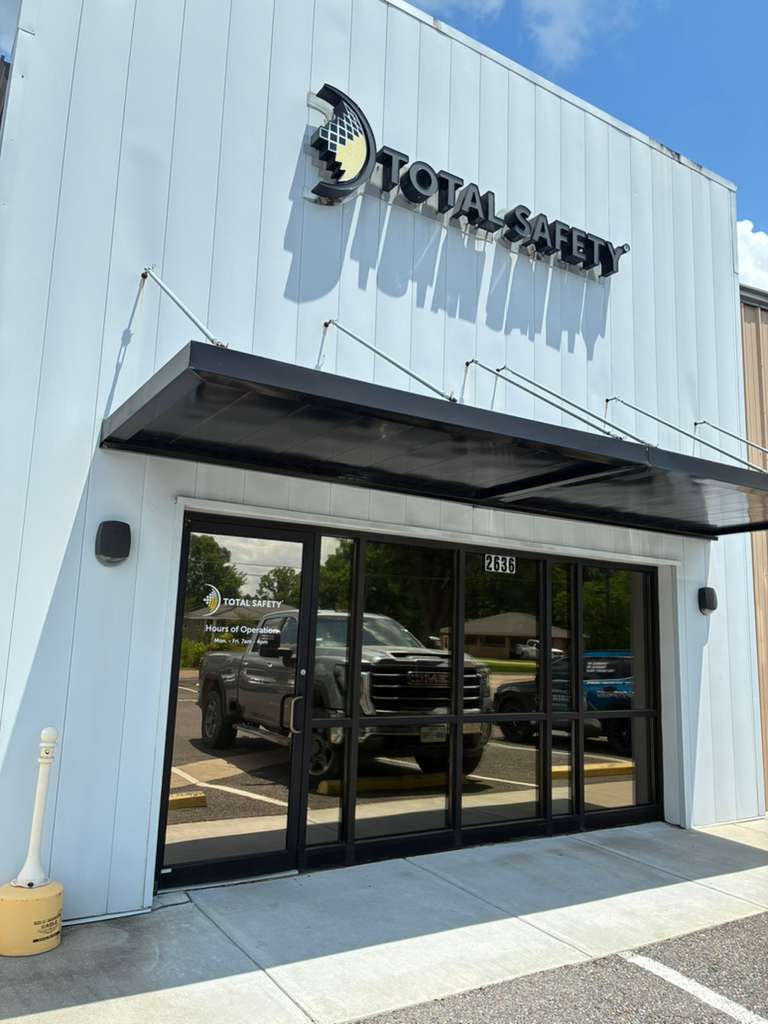
Documented Results from Comparable Buildings.
LCRT installs the same manufacturer-certified 3M™ and Solar Gard® films used in these published case studies — held to identical performance specifications.
Source: Published 3M™ Window Film and Solar Gard® manufacturer case studies. Results reflect installed-film performance for the buildings cited.
Get a Free, Custom Energy Savings Projection for Your Building.
Your free assessment includes an on-site evaluation of your glass and solar exposure, a film recommendation matched to your facade and budget, projected cooling cost reduction, and a documented ROI payback timeline you can take to ownership or finance.
LCRT serves commercial building owners, facility managers, property managers, architects, and general contractors across Baton Rouge, New Orleans, Lafayette, and all of Louisiana — from single-tenant retail to multi-building campuses.
- On-site glass & solar audit
- Film spec matched to facade
- Projected cooling cost reduction
- Documented ROI payback timeline